Mastering Data Structures and Algorithms (DSA) with Java is one of the most important steps for anyone aiming to build a strong career in software development, competitive programming, or cracking coding interviews at product-based companies. Java, being a robust, object-oriented, and platform-independent language, is widely used in enterprise project development. It’s great choice To implement DSA concepts because of its rich libraries, built-in data structures, and scalability. This DSA course, designed by industry veterans with 25+ years of experience, will take you from the very basics of arrays, strings, stacks, and queues to advanced concepts required in the industry. By the end of this DSA course, you’ll not only have a strong command on DSA in Java, but also the confidence to solve real-world problems, coding challenges, and technical interview questions with ease.
Course Highlights – Everything You Need to Succeed
- 40+ hrs self-paced expert-led course
- 65+ hrs of comprehensive study material
- 45+ hrs of real-world practicals
- 55+ Interactive quizzes & assessments
- 145+ Interview questions for top MNCs
- 65+ Real-time end to end implementation
- 45+ Java DSA practical code examples
- 98% Positive reviews from learners
- 35+ Comprehensive assignments
- 15+ Real-time industry case-studies
- 230+ Java programming tutorials
- 1:1 Career counselling with expert
- Practical knowledge which industry needs
- Industry-renowned certification
Your DSA JAVA Journey Starts Here – Try before you Buy
Self-Paced Mastery
Ideal for: Beginners looking to learn and grow with expert guidance.
Rs. 9990 | $130 | €115 Rs. 2990 | $39 | €34
| Self-paced Expert-led Course |
| Industry-relevant Curriculum by Experts |
| Beginner to Advanced Topics Covered |
| Notes, Study material & Cheatsheets |
| Real-world Practicals |
| Assessments to Test Your Skills |
| Interview Questions of Top MNCs |
| Real-time Live Projects |
| 1:1 Career Counselling with Expert |
| Real-time Industry Case-studies |
| 3 years Access Duration |
| Industry-renowned Certification |
Career Launchpad
Ideal for: Dedicated & ambitious learners looking for jobs in top MNCs.
Rs. 11990 | $156 | €138 Rs. 4990 | $65 | €57
| Everything in “Self-Paced Mastery” plus: |
| Job Assistance |
| Resume & Interview Prep |
| Mock Interview |
| Internship |
| Job/Placement Prep |
| LOR |
| Additional Real-time Projects |
| Lifetime Course Access |
| LinkedIn Profile Optimization |
| Learn with ChatGPT & AI tools |
| Quizzes for Each Module to Track Progress |
Pro Mentorship
Ideal for: Industry professionals looking for a job or switching careers.
Rs. 19990 | $260 | €230 Rs. 9990 | $130 | €115
| Everything in “Career Launchpad” plus: |
| Live interaction with Instructor for 3 months |
| Live Mentoring over Weekends |
| Personal mentorship and 1:1 guidance from experts |
| 100% Placement Assistance |
| Lifetime Support |
| Lifetime Upgrades to latest version |
| Additional Real-time Projects |
| 24x7xLifetime Access |
| Dedicated Hiring Manager |
| Interview Questions of MAANG Companies |
| After Job Support |

Easy EMI Options Available: Invest in Your Future Without Worry!
- 💳 Flexible Payment Options – Get started with easy monthly installments.
- 💵 Affordable Learning – Pay as low as ₹105/month.
- 📢 No Hidden Charges – Simple, transparent, and secure.
- 🚀 Instant Approval – Choose EMI at checkout and start learning today!
Success Stories – They Believed, Learned & Achieved!







Need Personalized Guidance? Talk Directly to Your Instructor

Online DSA with Java Training Course Curriculum
- What is DSA and its need?
- Why DSA is must to get top jobs in product-based companies
- DSA Java Syllabus and Prerequisites
- Array vs Collection in Java
- What is Array in DSA Java?
- Practical Implementation of Array
- Array Index Out of Bounds Exception in Java
- Implementation of Array Exception
- Practical Implementation of Java For-each Loop
- What is Stack in DSA Java?
- Stack usage and real-time example
- Push, Pop and Display operation in Stack
- How to Design Menu in Stack using Array
- Practical Implementation of Stack using Array
- Stack using Collection in Java
- Stack Implementation using Collection Stack Class
- Convert Infix to Postfix Expression using Stack
- Program to Convert Infix to Postfix
- What is Queue in DSA Java?
- Practical Implementation of Queue using Array
- Practical Implementation of Queue using Collection
- Priority Queue in DSA
- Working with Dequeue in Java DSA
- Insertion in Deque
- Delete and Display operation in Deque
- Practical Implementation of Dequeue
- Single Linked List and Doubly Linked List
- Methods of Linked List
- Create, Display and Insert First operation on Linked List
- Insert and Delete Method in Linked List
- Practical implementation of Linked List
- Create and Display operation on Linked List without Collection
- Insertion in Linked List without Collection Classes
- Delete method in Linked List without Collection Classes
- Searching and Sorting in Linked List without Collection Classes
- Display Single Linked List in Reverse Order without Collection Classes
- Stack Linked List in DSA Java
- Queue Linked List
- Circular Linked List in DSA Java
- Limitations of linear linked list and need for circular linked list
- Create, Display and Insert Method in Circular Linked List
- Delete Method in Circular Linked List
- Doubly Linked List without Collection in DSA Java
- Create and Display without Collection in Doubly Linked List
- Insertion and Deletion without Collection in Doubly Linked List
- Circular Doubly Linked List without Collection in Java DSA
- Create, Display and Insert without Collection in Circular Doubly Linked List
- Delete and Reverse Display without Collection in Circular Doubly Linked List
- What is Recursion?
- Types of Recursion
- Practical implementation of Recursion in Java
- What is Tree?
- Binary Tree and Binary Search Tree
- Tree Traversing Inorder, Preorder, Postorder
- Creation of Tree from Inorder to Preorder
- Implementation of Binary Search Tree
- BST without using Collection
- Inorder, preorder and postorder in BST
- BST using Collection Classes
- Create and Display in BST using Collection
- Search and Remove in BST using Collection
- Strictly Binary Tree
- AVL Tree
- Red Black Tree
- Red Black Tree Construction
- Threaded Binary Tree
- B Tree
- Heap Tree
- Linear Search in Java DSA
- Implementation of Linear Search using Array in Java
- Binary Search and its comparison with linear search
- Implementation of Binary Search using Array
- Sorting best practices
- Linear Sort in Java DSA
- Implementation of Linear Sort using Array in Java
- Bubble Sort and its comparison with linear sort
- Implementation of Bubble Sort using Array
- Selection Sort
- Implementation of Selection Sort using Array in Java
- Insertion Sort with practical implementation
- Radix Sort in Java
- Shell Sort with practical
- Quick Sort
- Two Way Merge Sort in DSA Java
- Merge Sort in DSA Java
- Searching and Sorting using Collections Class
- Address Calculation of Array in Data Structures
- Address Calculation of 3D Array in DSA
- Address Calculation of Lower & Upper Bound of Array in DSA
- Time Complexity and Big O Notation with industry best practices
- Tower of Hanoi problem in Java
- What is Graph in DSA
- Graph Representation – Matrix & List Representation
- Kruskal’s Algorithm
- Prim’s Algorithm for Minimum Spanning Tree in DSA
- Dijkstra’s Algorithm
- Dijkstra Algorithm for Directed Graph
- Floyd Warshall Algorithm
- Breadth First Search Algorithm
- Depth First Search Algorithm
- What is Hashing
Learn From Industry’s Best Instructors


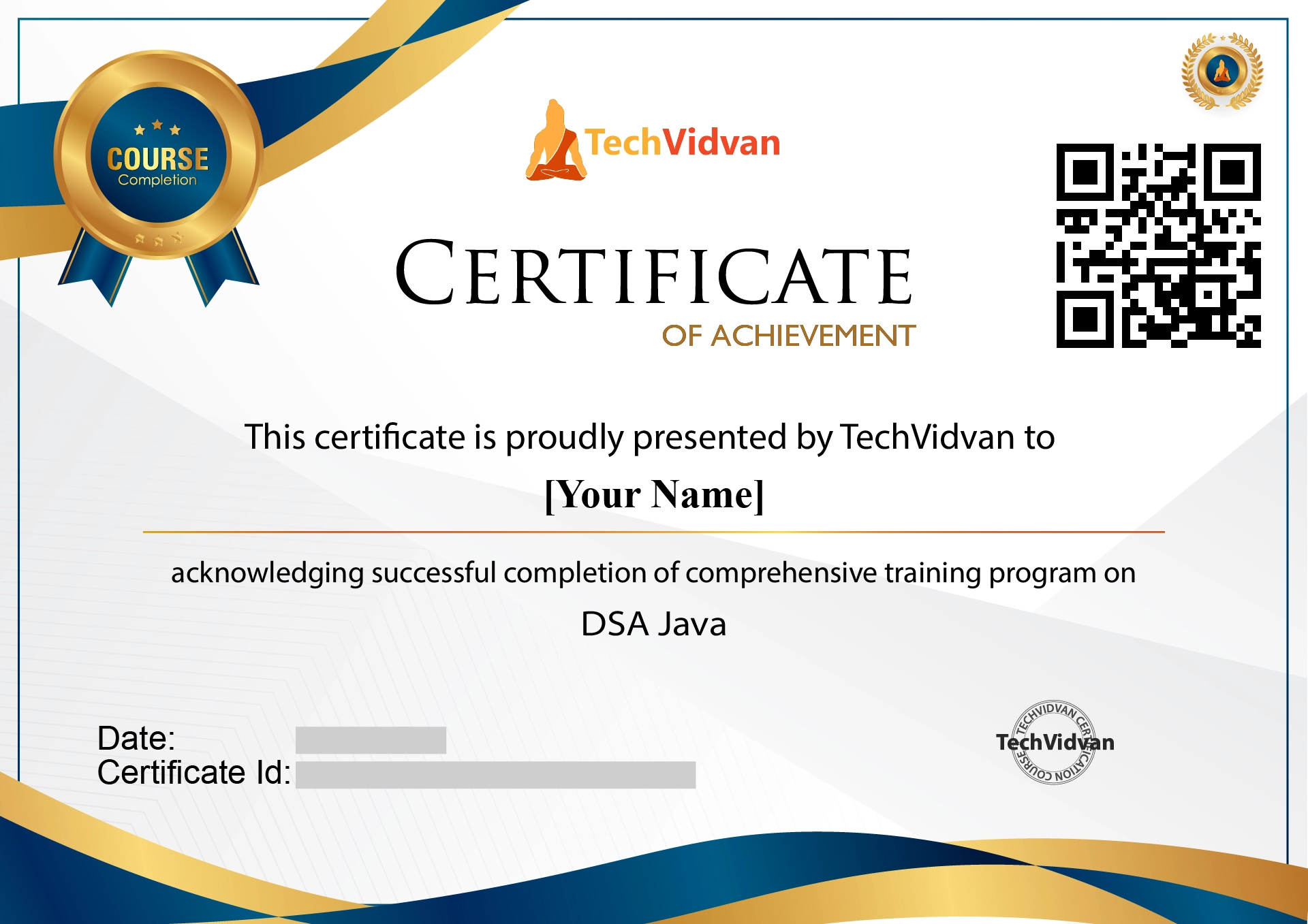
Industry-renowned Certification
Our learners are working in leading organizations

Numbers That Speak Our Success
8 Out of 10 Learners Land High-Paying Jobs – Read Testimonials
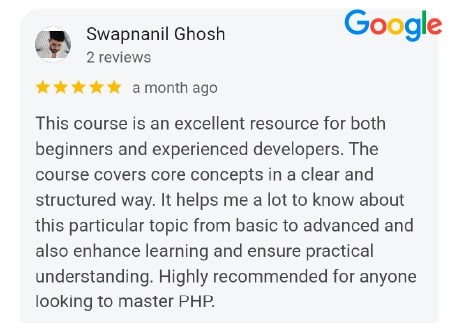

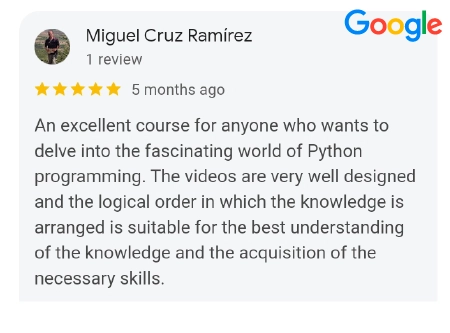
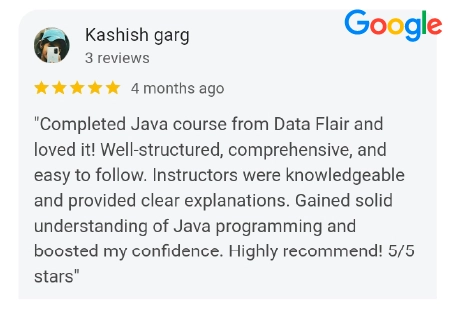


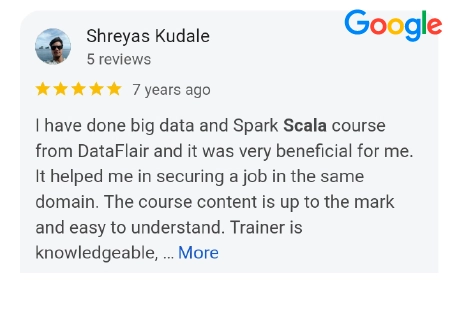

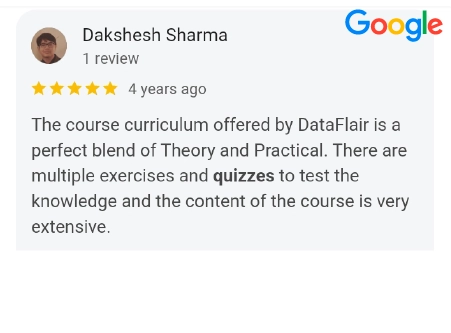
Trusted by Thousands, Proven by Success – Read All Testimonials



DSA with Java Course Objectives
- Build a Strong Foundation in DSA: Learn the fundamentals of data structures and algorithms using Java, starting from arrays and strings to advanced concepts and get ready for top MAANG companies.
- Master Java Implementations: Gain practical knowledge of implementing stacks, queues, linked lists, hash maps, searching, and sorting algorithms using Java.
- Improve Problem-Solving Skills: Strengthen logical thinking and analytical skills by solving real-world complex coding problems and competitive programming challenges.
- Placement & Interview Preparation: Prepare for technical rounds in FAANG/MAANG companies, startups, and product-based firms, focusing on the most asked DSA questions.
- Learn Algorithmic Techniques: Explore divide and conquer, greedy algorithms, recursion, backtracking, and dynamic programming with Java-based examples.
- Hands-On Practice: Work on live coding exercises, assignments, and real-time projects that simulate real-world problem-solving.
- Analyze Performance: Understand time and space complexity to write optimized and efficient Java programs.
- Prepare for Advanced Careers: Build the foundation required for fields like software engineering, data science, and machine learning.
Why should you learn DSA with Java?
Data Structures and Algorithms (DSA) is the backbone of programming and problem-solving. Without mastering DSA, it’s nearly impossible to crack coding interviews, competitive programming contests, or build efficient software applications. Learning DSA with Java gives you a strong edge because Java is one of the most popular and widely used programming languages in the world.
- Preferred in Interviews & Placements: Top product-based companies like Google, Amazon, Microsoft, and Walmart use Java heavily and expect candidates to solve DSA problems in Java.
- Rich Libraries & Built-in Support: Java offers built-in data structures like HashMap, HashSet, ArrayList, LinkedList, and powerful libraries that make implementation easier and faster.
- Object-Oriented Advantage: With Java’s OOP concepts, you can design modular, reusable, and clean solutions for complex algorithmic problems.
- Cross-Platform Flexibility: Java is platform-independent, meaning your DSA solutions can run across multiple systems without any modification.
- Strong Industry Relevance: Java powers enterprise applications in banking, e-commerce, enterprise software, Android development, and cloud computing, making your DSA knowledge industry-ready.
What is DSA with Java?
DSA with Java refers to learning and implementing Data Structures and Algorithms using the Java programming language. Data Structures are ways to organize and store data (like arrays, stacks, queues, linked lists, trees, and graphs), while Algorithms are step-by-step methods to solve problems (such as searching, sorting, and optimization ways).
The best language for DSA is java because it refers to:
- Goal Approachable: It helps classes, objects, polymorphism and inheritance concepts to work quickly and fastly for effective solutions.
- Platform Independent: With its JVM (Java Virtual Machine), Java code can run anywhere, making your DSA skills highly portable.
- Scalable & Secure: Used in enterprise-level real-time applications, Java ensures that your DSA solutions are practical for real-life problems.
Getting started with DSA in Java, people will not only get professional skills but also build their coding and problem-solving skills, for technical questions in interviews, getting placed, and competitive programming challenges.
In summary, DSA with Java is not only about combining powers of Java algorithms with robust abilities, but to get problem solving features of Java effortlessly.
What to do before you begin?
This course is designed to guide learners step by step, so you don’t need to be an expert before starting.
However, having the following basics will make your journey smoother:
- Basic Knowledge of Java: Familiarity with Java syntax, variables, data types, operators, and simple loops will be helpful.
- Understanding of OOP Concepts: Knowing the basics of classes, objects, and methods in Java will allow you to grasp DSA implementations faster.
- Logical & Analytical Thinking: A problem-solving mindset and curiosity to break down problems are essential to mastering algorithms.
Even if you’re a beginner, this course starts with the essentials and gradually moves to advanced topics like trees, graphs, recursion, dynamic programming, and algorithmic design, making it suitable for learners at all levels.
Who should go for this DSA with Java course?
This course is designed for learners who want to build strong problem-solving skills, master algorithms, and prepare for coding challenges using Java.
You should join this course if you are:
- Students & Fresh Graduates: Preparing for placements and campus interviews, where DSA questions in Java are commonly asked.
- Aspiring Software Developers: Looking to strengthen coding fundamentals and learn how to implement efficient and optimized solutions in real-world applications.
- Competitive Programmers: Interested in excelling at platforms like LeetCode, HackerRank, Codeforces, and CodeChef, where Java is widely used.
- Working Professionals: Wanting to switch careers into software development, backend engineering, or product-based companies that require strong DSA knowledge.
- Career Switchers: Coming from non-technical or IT support roles and aiming to transition into software engineering and growth development areas.
- Potential Learner: Learner with full potential to kickstart Java-based DSA concepts to upgrade their way of thinking and want to become an expert in programming background.
If you want to crack coding interviews, aim to get top ranks in competitive exams, or want to set up your future in software engineering, DSA with Java course will help you to reach the end quickly and effectively
By enrolling in our DSA with Java course, you can expect the following benefits:
Enrolling in this DSA with Java course gives you multiple advantages that strengthen both your coding confidence and career opportunities:
- Strong Problem-Solving Skills: Learn how to approach, analyze, and solve complex problems using Java-based data structures and algorithms.
- Placement & Interview Readiness: Prepare for coding rounds, whiteboard interviews, and online tests at top product-based companies and top MNCs.
- Hands-On Java Implementations: Gain practical experience by coding arrays, stacks, queues, linked lists, trees, graphs, and sorting/searching algorithms work in Java directly.
- Learn How Algorithms work: Master how techniques like greedy methods, recursion, backtracking, rapid programming, divide and conquer, work together.
- Boost Your Programming Skills: Master the techniques and features required for designing the system, developing the backend and scalable applications.
- Gain Industry Knowledge: Develop the skills that make you industry ready to show your techniques in finance, e-commerce, cloud platforms, and AI systems.
- Boost your Future Growth: Learning the DSA makes you stand out in great fields like Machine Learning, Data Science, and Big Data, where the crucial part is coding
Finally, this course will make you ready to absorb technical expertise, interview experience, and problem-solving mindset that is fully appropriate for becoming a software developer.
Jobs after Learning this DSA with Java Course
Mastering Data Structures and Algorithms with Java prepares you for some of the most in-demand roles in the IT industry. Since DSA is the foundation of software development and Java is widely used in enterprises, startups, and product-based companies, you will be job-ready for roles such as:
- Software Developer / Software Engineer: Design and develop efficient, scalable applications using strong Java and DSA skills.
- Backend Developer: Build high-performance APIs, server-side applications, and data-driven systems optimized with DSA.
- Full Stack Developer: Use Java (along with frameworks) and strong algorithmic knowledge to handle both frontend logic and backend complexity.
- Android Developer: Apply Java-based DSA concepts to create faster and optimized mobile apps.
- Competitive Programmer / Coding Expert: Excel in hackathons, coding contests, and placement exams with DSA problem-solving skills.
- Software Development Engineer (SDE): Target product-based companies like Adobe, Amazon, Google, Microsoft, Flipkart, and Walmart, where DSA knowledge in Java is a must.
- Data Engineer / Big Data Developer: Leverage Java’s role in big data technologies (like Hadoop and Spark) with efficient algorithms for large-scale systems.
With strong DSA in Java, you’ll be prepared for placements, internships, and high-paying software development careers across industries such as e-commerce, fintech, cloud, and AI-driven companies. Learning DSA will make you ready with the best practices required to develop top-notch applications.
Our students are working in leading organizations

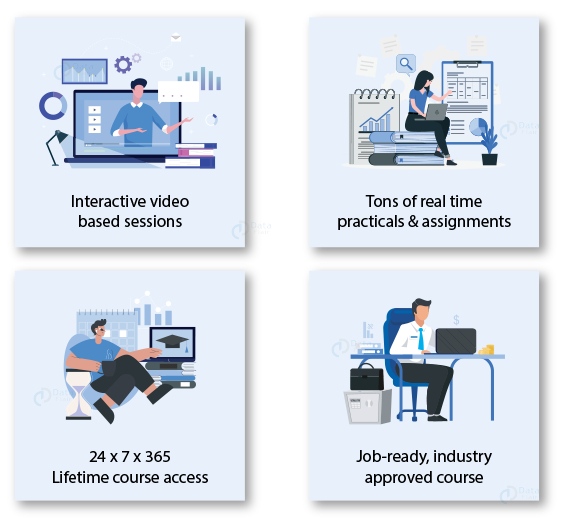
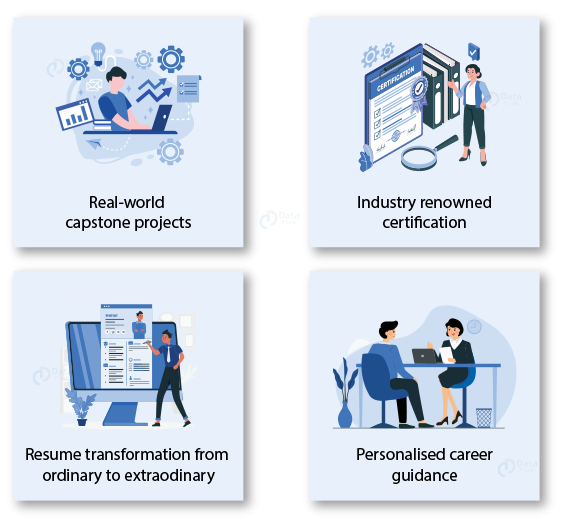
Features of DSA with Java Course
Need Guidance? Ask Our Experts Now!
DSA with Java Online Training FAQs
DSA with Java means learning Data Structures and Algorithms using the Java programming language to solve problems efficiently and prepare for placements and real-world applications.
Yes, Java is one of the best languages for DSA because of its object-oriented design, platform independence, rich libraries, and strong community support.
Knowing the basic guide about Java (syntax, loops, OOP basics) is good to go because this course is fully prepared keeping the beginners in mind.
You can apply for roles like Software Engineer, Backend Developer, Full Stack Developer, SDE (Software Development Engineer), and Android Developer in top companies.
Absolutely! Java is widely used in LeetCode, and this course strengthens your problem-solving skills for contests and interviews.
Because DSA shows your ability to write efficient, scalable, and optimized solutions- critical skills for working on complex software systems and enterprise software applications.
With consistent practice, you can build strong fundamentals in 2 months and master advanced topics like trees, graphs, and dynamic programming in 3 months.
Yes! The DSA course starts with simple concepts like arrays and strings, then gradually moves to advanced topics till industry level
Yes, the course includes real-time projects and hands-on coding assignments to gain experience and apply it to further DSA concepts, thereby staying ahead of problems.
Definitely. Companies like Google, Amazon, Microsoft, and Netflix keep eye on DSA-based problem solvers and this course will prepare you to tackle those challenges confidently