Category: Python Tutorials
In this article, we are going to see all the pre-defined functions that are available in Python. You have already used some of the Python built-in functions, for example, the print() function is used...
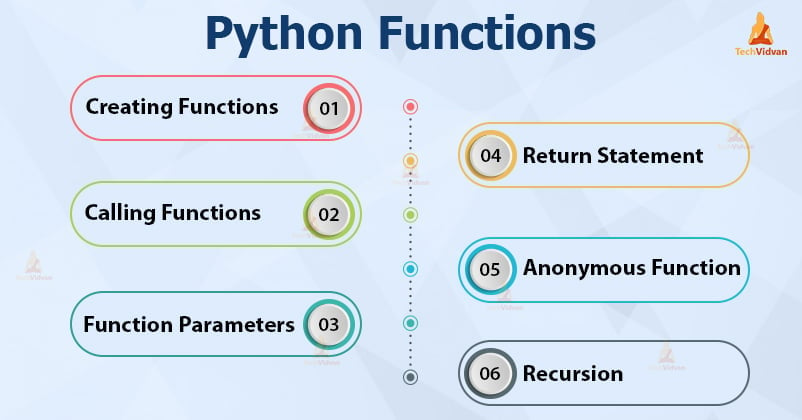
Python is object-oriented but also supports functional programming. In this tutorial, you will learn about Python functions and will learn to create them and call them. Also, you will get to understand the parameters...
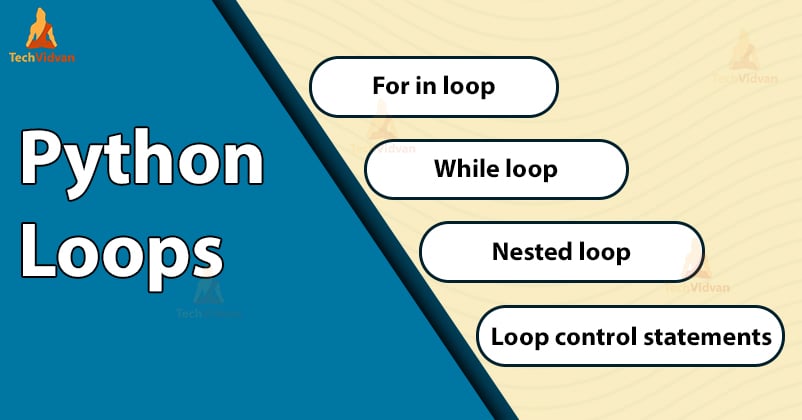
Loops are one of the most powerful and basic concepts in programming. A loop can contain a set of statements that keeps on executing until a specific condition is reached. Today, we are going...
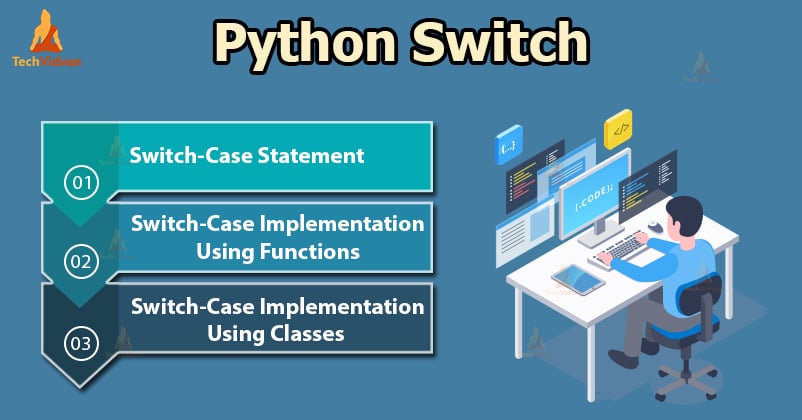
Switch-case statements are a strong tool for control in programming. Switch-case statement may be a powerful programming feature that permits you control the flow of your program supported the worth of a variable or...
Today we are going to learn about Python Collections. These include sets and dictionaries. So let’s get started. Python Collections Unlike sequences, Python collections do not have any order. They are unordered and unindexed...
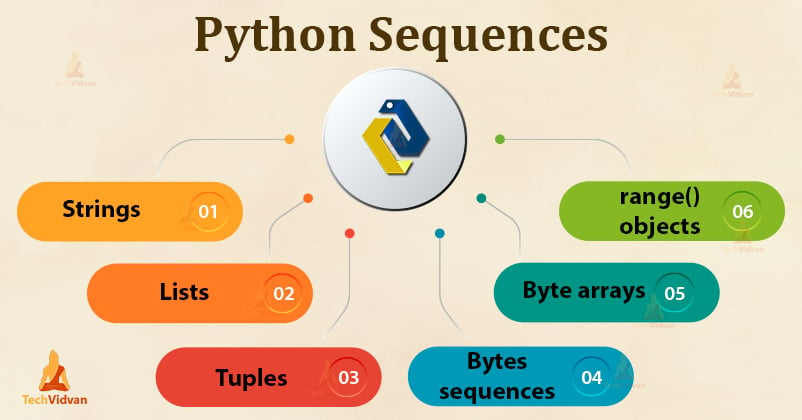
Today, we are going to learn about the different Python data structures. They can be divided into two categories based on the ordering of items: Sequences and Collections. Elements in sequences come out in...
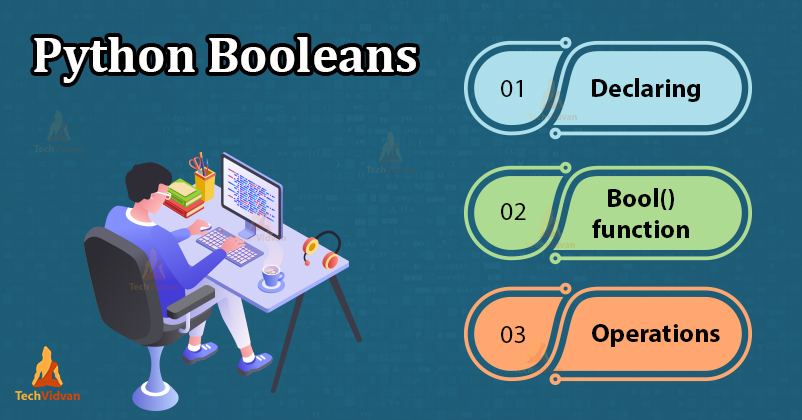
In the world of computer science, Boolean is a data type that can only have two possible values either True or False. In this article, we are going to look at the Python Booleans,...
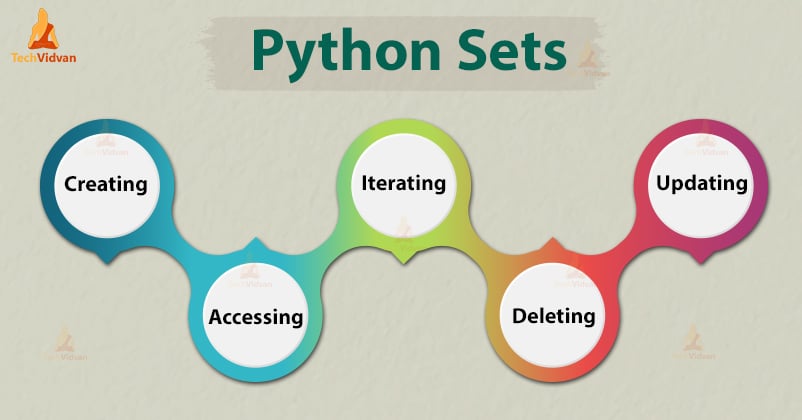
Till now, we saw various data types in Python which include numbers, strings, lists, tuples, and dictionaries. Today, we are going to see another data type that is Python Sets. We will see what...
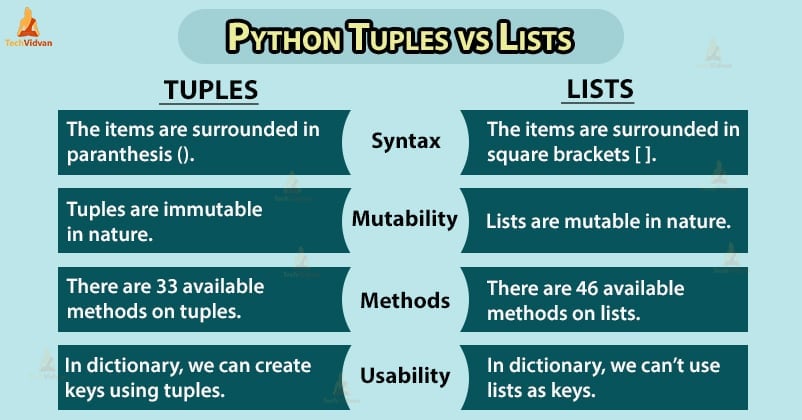
In this Python tuples vs lists article, we are going to see the things that make tuples and lists similar and things that distinguish them from each other. Tuples and lists have a lot...
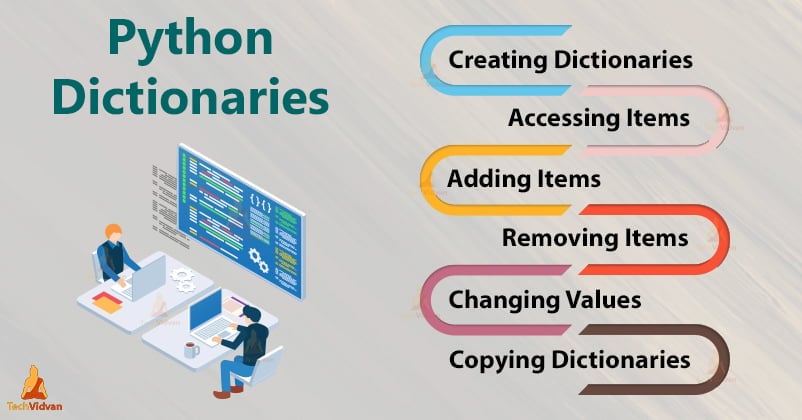
After strings and lists, let’s talk about dictionaries. Like a real-life dictionary has words and meanings, Python dictionaries have keys and values. They are an important data structure in Python and today, we will...