Category: Python Tutorials
Like many other programming languages, Python supports modularity. That is, you can break large code into smaller and more manageable pieces. And through modularity, Python supports code reuse. You can import modules in Python...
In case of an error, a good program should be able to recover from it. And if it is not possible to recover from the error, then your program should report it in an...
No matter how good you make your code, things can go wrong. When we plan our program, we always work for situations we normally expect. And our program works quite well in those situations....
Python’s if-else statements are very easy to write and read. But they come with a downside. That is, if you want to print something based on some condition, you need 4 lines to do...
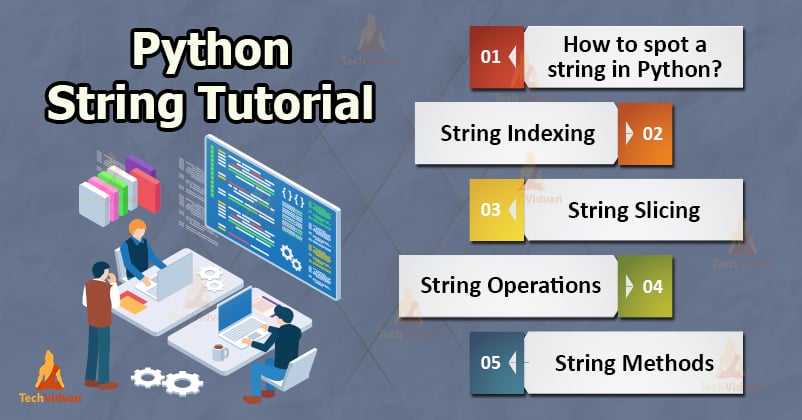
Strings are everywhere! While interacting with the user, i.e., while getting input or displaying output, you’ll use strings more than any other data structure. In this article, you’ll learn what Python strings are and...
Ever wondered how you get a random dice number every time you play online Ludo. Or how shuffling your song playlist works? Turns out, your gaming or music app generates random numbers underneath the...
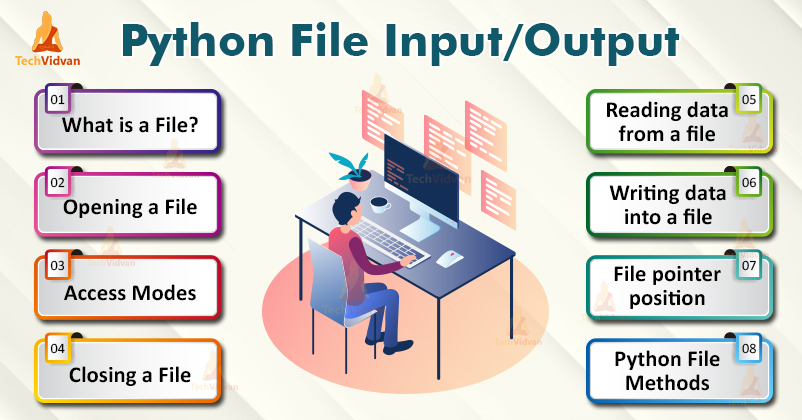
In all your previous programs, you might have dealt with some sort of data. You might have asked the user for some data as input. Your program then might have processed it and produced...
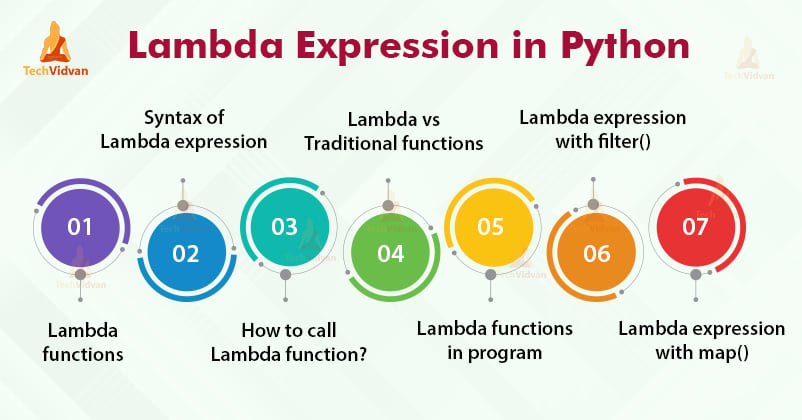
Python’s Lambda expression are quite controversial in the programming circles. Some find it elegant and useful, while others freak out with the name of it. By the end of this article, you will be...
As we all know, becoming a Python developer nowadays is in emerging demand and dream of every IT professional. It is not that hard to become a Python developer as it seems. All you...
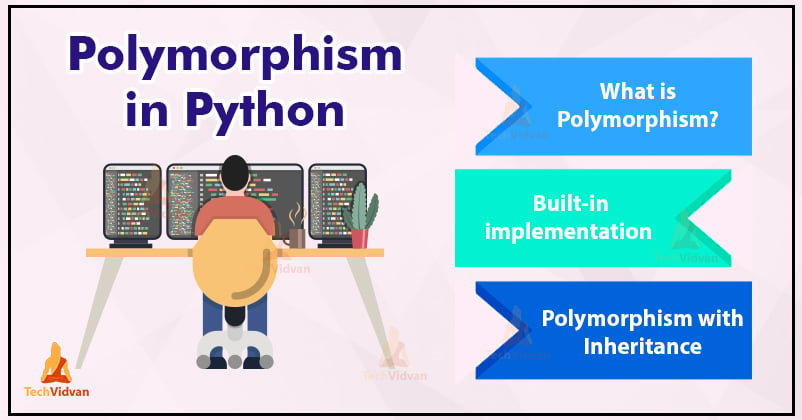
One of the important concepts under Object-oriented programming is Polymorphism. In this article, we’ll see what is polymorphism in python, how python polymorphism works. We will also learn how we can implement it in...